中文

News List
Edmund Optics® 现货供应业界最全超快光学元件系列,实现极速交付与精准匹配
 Edmund Optics
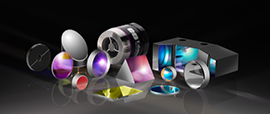
6/23/2025, Barrington, NJ USA —全球光学元件领导者Edmund Optics®正式宣布升级其超快光学元件供应体系,通过整合行业最全面的现货库存与专业技术支持网络,为飞秒/皮秒激光应用提供全链路解决方案。目前该产品线已覆盖工业制造、科研实验等多元化应用场景。产品线全面覆盖超快激光光学解决方案,包含两大核心技术方案:1)高性能离子束溅射(IBS)镀膜反射镜系列(含独家代理的 UltraFast Innovations品牌产品);2)高性价比蒸发镀膜方案。凭借常备库存的反射镜、透镜、窗口片、光栅、滤光片等全品类库存,实现从光学设计到系统集成的全链路供应保障,助力工程师快速完成超快光学系统搭建。该产品组合兼顾不同的成本预算与性能需求,更依托强大库存体系保障极速交付与高效采购。无论何种应用场景,Edmund Optics® 均可为工程师精准匹配超快光学系统元件——通过7×24小时在线专家沟通渠道,随时提供技术咨询服务。关于爱特蒙特光(Edmund Optics®)爱特蒙特光学(Edmund Optics)拥有超过80年的行业经验,是一家值得信赖的高品质光学元件及解决方案供应商,服务于生命科学、生物医学、工业检测、半导体及研发等多个领域。公司在全球19个地区拥有1,300余名员工,业务规模持续扩大。作为光学与光子学领域的领军企业,爱特蒙特光学(Edmund Optics)提供两大核心解决方案:一是打造拥有超过34,000款标准产品的强大现货平台业务,二是专注于精密光学元件与成像组件定制化开发及批量生产的先进制造服务。爱特蒙特光学(Edmund Optics) 平台业务事业部的在线商城构建了一站式光学采购生态,汇聚了自主生产体系及40余家业内顶尖品牌的34,000+现货产品,实现了全光路解决方案的即时供应与便捷采购。针对特殊需求,先进制造事业部可提供从定制化设计到样品生产,再到可扩展量产的完整服务链,依托四大全球研发中心与九大专业工厂的先进制造网络,年产能突破200万光学元件及175,000+精密组件,赋能尖端光学系统的快速落地。更多信息,请访问官网 www.edmundoptics.cn
2026-03-04 17:16:32
爱特蒙特光学扩展高性能HP系列产品线,新增现货6.5mm定焦镜头 现货6.5mm镜头为需要更短工作距离的工厂自动化和机器视觉系统提供高分辨率性能
Edmund Optics2026年1月9日,美国新泽西州巴林顿 — 爱特蒙特光学®(Edmund Optics®),全球领先的光学与成像技术解决方案提供商,现已扩展其TECHSPEC® HP系列定焦镜头产品线,推出新款6.5mm焦距镜头,将高分辨率成像性能延伸至需要更短工作距离和更宽视角的应用领域。HP系列专为工厂自动化和机器视觉系统设计,在这些系统中,分辨精细细节对于检测精度和可靠测量至关重要。这款新的6.5mm镜头保留了HP系列的核心性能特点,提供卓越的分辨率,以支持苛刻的检测任务,如微小缺陷检测和高精度尺寸分析。该镜头针对高达1.1英寸的传感器进行了优化,能够在更大的视场范围内实现细节成像,帮助系统设计人员在紧凑或空间受限的装置中达成性能目标。HP系列由公司内部设计和制造,提供跨多种焦距的一贯高光学性能解决方案,使工程师能够在系统几何结构变化时保持成像性能。6.5mm焦距的加入扩展了这种灵活性,为机器视觉系统设计人员在需要更短工作距离或更大视场的系统中提供了更多选择。凭借现货供应和快速交付,新款6.5mm HP系列镜头支持快速集成到可投入生产的工厂自动化系统中。关于爱特蒙特光学:爱特蒙特光学拥有超过80年的经验,是高品质光学元件和解决方案值得信赖的供应商,服务于生命科学、生物医学、工业检测、半导体及研发等行业。公司在全球19个地点拥有1,300多名员工,并且持续增长。作为领先的光学和光子学公司,爱特蒙特光学提供两种专业解决方案:一个拥有超过34,000种现货产品的强大市场平台,以及专注于精密光学和成像元件定制与批量生产的先进制造服务。爱特蒙特光学的市场平台是一个一站式商店,提供来自内部制造和40多个顶级品牌的超过34,000种现货产品,覆盖整个光路,支持快速便捷的采购。对于定制化解决方案,先进制造服务提供定制设计、首件生产以及可扩展的制造服务,由四个全球设计中心和九个专业工厂提供支持,每年生产超过200万个元件和175,000多个组件。了解更多信息,请访问 www.edmundoptics.com。
2026-03-04 16:42:40

多场科技联合共建 两家北京市重点实验室正式获批
 MultiFields Technology
近日,北京市科学技术委员会、中关村科技园区管理委员会正式公布2025年度北京市重点实验室认定名单,多场低温科技(北京)有限公司(以下简称“多场科技”)参与共建的“原子制造和真空高端设备北京市重点实验室”与“固态量子器件北京市重点实验室”成功获批,标志着企业在前沿科技领域的协同创新能力再获权威认可。原子制造和真空高端设备北京市重点实验室该实验室以中国科学院物理研究所为牵头单位,联合中科艾科米、多场科技、中科量仪、怀柔仪器等多家单位共建,锚定原子级制造与表征领域,通过攻克适用于原子制造的极端环境获得、大范围高精度纳米移动技术等关键核心技术,实现装备自主化研发,破解原子级精准制造难题,为原子级精度材料和器件的基础研究与产业应用提供自主可控的装备支撑。固态量子器件北京市重点实验室该实验室由北京大学物理学院牵头,联合北京量子信息科学研究院、多场科技共建,是中国在量子科技前沿领域部署的关键研发平台之一。实验室主要聚焦量子材料新奇量子效应及高性能器件构筑中的核心科学技术问题,围绕“量子材料设计制备-物态探测调控-器件构筑集成”全链条创新,致力于打通从基础物理研究到实际应用转化的关键技术瓶颈,推动我国在固态量子信息技术领域的源头创新与自主发展。作为北京市科技创新体系的重要组成部分,北京市重点实验室是集聚培育优秀创新人才、开展高水平科研攻关的重要科技创新基地,着力解决科技难题、促进科技成果转化、培育新经济增长点。未来,多场科技将以两大重点实验室为核心协同平台,通过跨机构、跨领域与国内顶尖科研机构紧密合作,充分发挥自身在极端环境纳米运动控制、物性测试技术等领域的核心技术优势,加速高端装备自主化、量子科技产业化进程,为国家战略需求贡献自身力量。
2026-02-27 17:39:25

光启新程 智领智造|三克激光亮相 2026 慕尼黑上海光博会
 SHANGHAI 3K LASER TECHNOLOGY CO.,LTD.
光启新程 智领智造|三克激光亮相 2026 慕尼黑上海光博会亚洲激光与光电行业年度盛会 ——2026 慕尼黑上海光博会(LASER World of PHOTONICS CHINA)将于2026 年 3 月 18–20 日在上海新国际博览中心隆重举办。上海三克激光科技有限公司作为高新技术企业、上海市专精特新企业,将携激光焊接、精密切割、激光清洗、微纳加工、非标自动化等全系列智能装备解决方案重磅亮相,与全球行业伙伴共探光电产业新未来。本届展会以 “光启新元・势引未来” 为主题,汇聚全球超 1400 家展商,覆盖激光智能制造、光学、检测、红外、生物光子等全产业链。三克激光立足多年技术沉淀,聚焦新能源、3C 电子、半导体、模具、轨道交通等核心领域,带来高精度、高稳定性、自动化程度领先的激光加工装备与一站式解决方案,展现 “中国智造” 在激光微加工与智能装备领域的创新实力。展会期间,三克激光将在N2 馆・2308 展位全面展示:新能源锂电池自动化激光焊接系统高速环保激光清洗设备精密激光切割与微加工系统拉丝模打孔、浮雕雕刻等特色专用设备定制化激光智能产线解决方案三克激光自 2005 年成立以来,坚持自主研发与技术创新,拥有数十项发明专利与实用新型专利,产品通过 ISO9001、ISO14001、CE 等权威认证,远销全球 20 多个国家和地区。公司以 “精准、高效、可靠、智能” 为理念,持续为客户提供稳定可靠的激光装备与工艺服务,助力产业升级与智能制造转型。诚邀全球客商、行业专家、合作伙伴莅临N2.2308展位洽谈交流、共商合作,携手以光为刃,以智赋能,共拓激光应用新边界。
2026-02-27 17:37:49

多场科技荣获国家级专精特新“小巨人”企业称号
MultiFields Technology近日,北京市经济和信息化局正式公示第七批专精特新“小巨人”企业名单,多场低温科技(北京)有限公司(以下简称“多场科技”)通过认定,荣获国家级专精特新“小巨人”企业称号。专精特新“小巨人”企业是“专精特新”中小企业中的佼佼者,是专注于细分市场、创新能力强、市场占有率高、掌握关键核心技术、质量效益优的排头兵企业。作为一家聚焦“纳米级自动化”与“分析&测量方案”领域的企业,多场科技产品布局覆盖纳米级运动、纳米级位置传感以及高端的分析&测量解决方案,业务质量一直保持快速提升。多场科技一直专注深耕纳米级自动化和高端仪器赛道。此次入选,不仅是对多场科技在该赛道中市场地位和技术领先性的认可,同时也是对其所在赛道在国家布局、国计民生方面关键性和重要性的确认。作为一家开始运营于2017年的年轻创业公司,多场科技将继续秉持创业初心,打磨更优质、高效的解决方案,持续为客户创造价值。同时,也将继续主动投身国内高端工业转型进程,为实现国内工业向高端化转型、核心技术自主可控贡献自身力量。
2026-02-27 17:36:50

欧屹科技将亮相 2026 年慕尼黑上海光博会,集中展示前沿光子与精密检测技术
 Beijing Optic Electron Tech Co., LTD.
2026 年 3 月18日-20日,北京欧屹科技有限公司将参加在上海新国际博览中心举办的 慕尼黑上海光博会(LASER World of PHOTONICS China 2026)。作为全球光电领域最具影响力的专业展会之一,慕尼黑上海光博会持续聚焦激光、光学与光子技术的最新进展,汇聚来自科研与产业界的领先力量。本次展会期间,北京欧屹科技有限公司将集中展示多项前沿光子技术与精密检测解决方案,涵盖 空芯光纤、飞秒激光多焦点全息光刻技术、无掩模光刻机 等先进光学与微纳加工方向。同时,公司还将重点展出多套高精度测量与检测系统,包括 应力双折射测量系统、Bump 3D 测量系统、亚微米级尘埃粒子可视化检测系统,为半导体制造、先进封装、显示与新材料等行业提供可靠的测试与质量控制手段。在光学材料与非线性光学领域,北京欧屹科技有限公司还将带来 LBO 晶体(三硼酸锂) 等相关解决方案,满足高功率激光、频率转换及科研应用的多样化需求。上述产品与技术充分体现了公司在光学系统集成、测量精度控制以及工程化应用方面的综合能力。展会期间,北京欧屹科技有限公司将与来自半导体、精密制造、光电科研及产业链上下游的专业观众展开深入交流,分享最新应用案例与技术趋势,并为客户提供专业的技术咨询与定制化解决方案。通过此次慕尼黑上海光博会,北京欧屹科技有限公司将进一步加强行业合作,持续推动先进光子技术与精密检测技术在科研与工业领域中的创新应用。欢迎各界新老客户莅临北京欧屹科技有限公司展台参观交流。
2026-02-09 16:39:16

ApexVision:揭开红外热成像超清晰背后的技术密码
 Guide Infrared
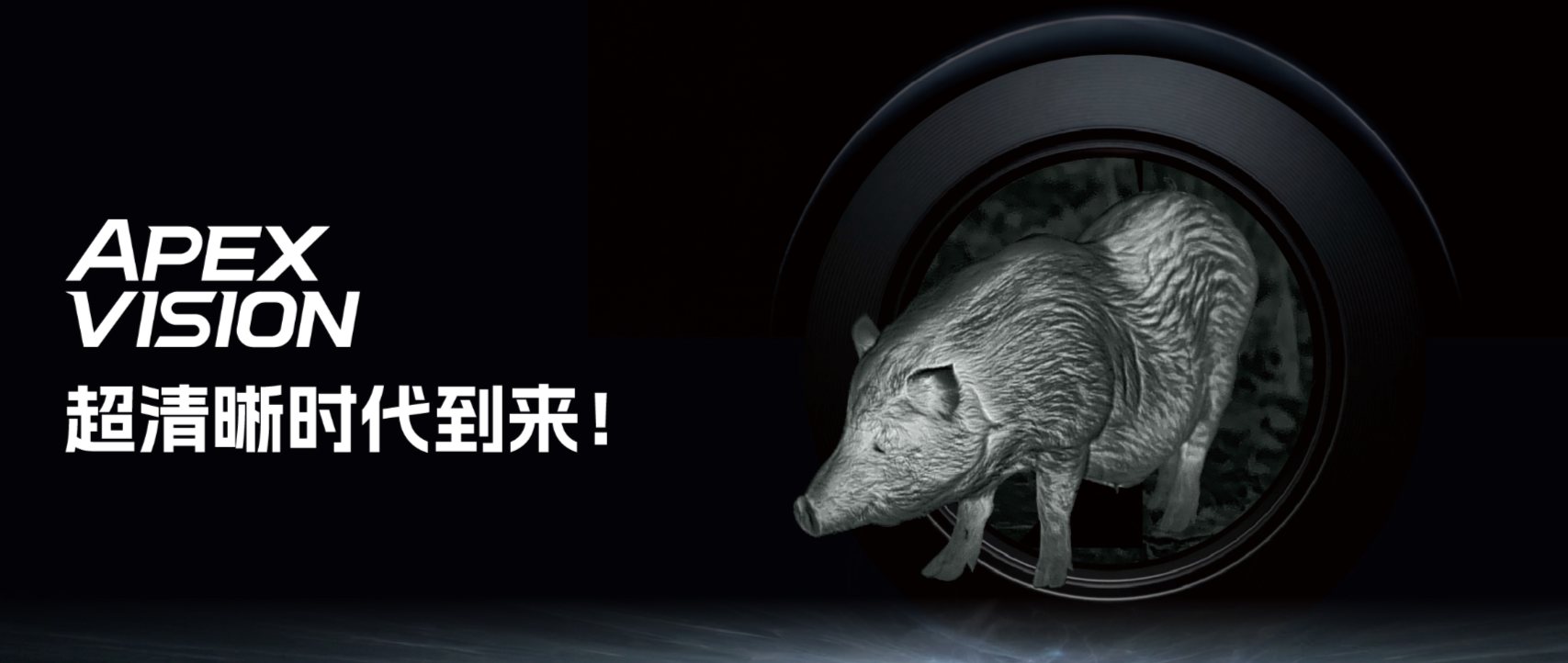
ApexVision:揭开红外热成像超清晰背后的技术密码2026年1月,高德智感全球首发新一代红外成像系统方案ApexVision,通过从探测器、处理平台到算法的全链路革新,系统性提升了红外成像的画质标准,标志着红外热成像正式迈入“超清晰时代”。超越传统,成像跃升红外超清晰时代到来ApexVision,全新一代红外成像系统方案,其名源自“Apex”(顶点)与“Vision”(视觉),寓意“极致视觉”,使命在于从底层重塑红外成像能力,定义超清晰时代标准:超净:噪声抑制,画面纯净通透,无冗余干扰;超细:灵敏度突破,微小温差细节极致呈现;超真:层次分明,复杂场景下边缘细节清晰。最终实现全场景成像清晰稳定——无论何时、何种环境,都能为用户呈现更洁净、更细腻、更有层次的清晰画面。同时,以超清晰成像深度赋能千行百业,解锁以往难以触及的精准感知与智能决策能力。技术内核,构筑清晰根基探测器+平台+算法极致成像的背后,是一套从感知到处理的全新技术架构。ApexVision以“ApexCore S1全新探测器+Nexus 1.0 强劲处理平台+All-Scenario 1.0 全场景智能算法”为核心,为超清晰提供硬核支撑:■ 超清之眼:ApexCore S1 全新红外探测器从底层重构感知能力。通过打破现有热敏技术瓶颈,重构全新热敏材料体系,创新材料配方与制备工艺,革新数字化ROIC读出电路架构,大幅提升底层噪声抑制能力,ApexCore S1探测器整体噪声降低42%。同时,搭配Vespira类“蜂巢”回形MEMS稳定架构,带来更好的环境适应能力。无论是高温、高湿,还是强振与冲击,ApexCore S1探测器始终能保持卓越性能。此外,探测器采用第四代先进封装技术,全栈升级MEMS关键制程工艺,实现产品一致性和稳定性全面提升。最终实现≤15mK的超高热灵敏度,成像效果整体跃升,极微温差与细节信号皆能精准捕获。■ 算力基石:Nexus 1.0 强劲处理平台驱动实时处理性能跃升。第三代红外图像处理平台采用更先进的AI-ISP底层架构设计与制造工艺,搭配高性能SOC探测器,功耗下降50%、算力提升200%。不仅稳稳支撑移动目标高帧频动态捕捉、远距离放大运算等高强度需求,更为后续算法的深度应用提供了充足的硬件冗余,铸就超清晰成像的硬核算力基石。■ AI优化:All-Scenario 1.0 全场景智能算法确保全场景稳定输出。算法基于深度神经网络与海量多场景数据训练,深度融合细节增强、保边去噪、环境自适应优化等核心能力,突破了传统算法的场景局限。通过AI智能应对杂光干扰、烟雾遮挡、高低温、弱光等各类复杂环境,保障超清晰效果的稳定可靠,贯穿所有使用场景。赋能两大核心应用体验革新测温更准,看得更清测温应用| 无惧复杂环境,画面清晰与测温精准双保障;| 强化弱热差对比,温度异常目标鲜明突出,微小隐患无遗漏;| 动态测温无延迟,实时输出精准数据……夜视应用| 无惧复杂天气,轻松发现目标,目标鲜明突出;| 放大十倍,远距细节依然清晰可辨,轮廓、纹理、边缘特征保真呈现;| 高帧频动态捕捉,实时无拖影、无滞后地呈现运动目标……ApexVision洞见更广阔的世界让智能感知科技惠及大众作为系统性技术方案,ApexVision已全面融入高德智感全系热成像产品矩阵中,为从工业检测到户外观测的各类场景,提供坚实的成像能力支撑,正式开启超清晰成像时代。全系产品搭载ApexVision对超清晰的探索,是高德智感从未停歇的追求。ApexVision新技术,既是我们开启2026新征程的开篇之作,也是超清晰红外成像的行业新起点。未来,高德智感将持续推动ApexVision技术产品在工业制造、能源电力、户外探索、科学研究等多领域深度落地,以更成熟的红外产品赋能千行百业,为全球用户创造更具价值的智能感知体验。技术的终极价值,在于赋能于人、惠及大众 —— 我们期待与全球用户携手,以超清晰突破感知边界,精准响应真实场景需求,洞见更广阔的世界!2026.3.18-3.20,上海光博会6号馆,6400展位,我们诚邀您现场体验ApexVision技术
2026-02-09 14:49:51
OGP CELEBRATES MILESTONE 80TH ANNIVERSARY AT THE FOREFRONT OF DIMENSIONAL METROLOGY
 OGP Shanghai Co., Ltd.
Optical Gaging Products (OGP®, www.ogpnet.com) proudly celebrates its milestone 80-year anniversary as a world-leading manufacturer of optical and precision multisensor metrology systems for industrial quality control.Over the company’s 80-year history, technology introduced and offered by OGP has transformed the quality control industry. From the world’s first electronic edge detection system introduced in the 1950’s, to the recent debut of SmartScope M-Series, OGP has always remained committed to excellence and innovation in the field of precision measurement.Keith E. Polidor, the company’s 3rd generation President and Chief Executive Officer, remarked: “We are extremely proud of our longstanding legacy as a leader in dimensional metrology. Our mission has always been to provide innovative optical and multisensor solutions to the world’s precision measurement needs, and to be our customer’s first choice solve their challenging dimensional metrology requirements. We achieve this by remaining steadfast in delivering leading innovation and unparalleled service, driven by the dedication of our employees and the support of our partners”.Long History of InnovationOGP has enjoyed a rich history of innovation, garnering more than 90 patents over the years. The company started from humble beginnings in post-war 1945, producing optical comparators. Automatic edge detection for the optical comparator was developed in 1956 in the form of Projectron, an early electro-optical image sensing system. OGP introduced the first truly revolutionary computer-controlled automatic video measuring system in 1980 – the Vidicom Qualifier. Soon after, OGP pioneered multisensor measurement by combining video measurement with lasers and tactile sensors via the innovative IQ-2000 system, which then led to the introduction of SmartScope and fully automatic 3D multisensor measurement in the 1990’s. Technological leaps in both hardware and software led to SmartScope becoming a “household name” in the quality and inspection industries, trusted by thousands of leading manufacturers around the world. System advancements continue today with the next evolution of SmartScope – SmartScope M-Series – featuring the patented IntelliCentric-M Optical system for unparalleled accuracy and repeatability.Industry ImpactOGP systems have played a vital role in ensuring the quality of component parts used in a wide variety of industrial success stories – from personal computers and smartphones to digital video and electric cars – even commercial spaceflight and recent fusion energy breakthroughs. Consumer products produced around the world contain parts measured on OGP systems. OGP is proud to be the leading optical technology innovator and pacesetter in the dimensional metrology industry.Looking AheadOGP is spending 2025 reflecting on the accomplishments that have allowed the company to achieve international recognition for optical measurement in the highest echelons of industry. One of the key milestones in OGP’s journey has been, and will continue to be, its focus on vertically integratingoperations spanning optics, engineering, software design, manufacturing, applications engineering, and more. Every day, the employees of OGP innovate and execute, producing practical solutions for the most challenging measurement tasks demanded by its toughest customers. OGP celebrates these innovations in its 80th year.R. Stephen Flynn, President of OGP, added, “OGP has helped thousands of manufacturers around the world achieve confidence in their quality programs using OGP systems. We are an international company with subsidiary offices in multiple countries, and channel partners covering every industrialized corner of the globe to support our growing list of customers on a local basis. During our anniversary celebration, we recognize and celebrate our channel partners and employees for being such an integral part of our success over these 80 years.”About Optical Gaging Products (OGP®):Optical Gaging Products (OGP®, www.ogpnet.com), a division of Quality Vision International Inc (QVI®, www.qvii.com), is the world’s largest vision metrology company. Founded in Rochester, NY in 1945, OGP manufactures optical and multisensor instruments used by manufacturers worldwide to measure critical dimensions on a wide variety of parts and assemblies. Manufacturers in the automotive, aerospace, medical, electronics and plastics industries use OGP systems and software to monitor and improve their product quality and productivity.
2026-02-05 11:26:09

PECVD SYSTEMS 等离子增强化学气相沉积系统
 JAVAC
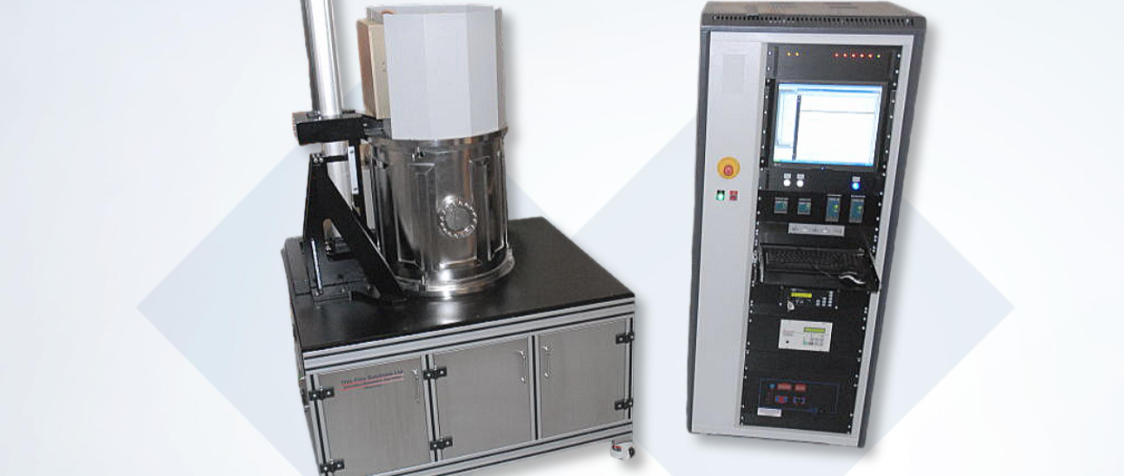
JAVAC嘉森真空(JAVAC)提供定制化、高可靠性的PECVD沉积系统,广泛应用于光学、工程应用,装饰、光伏以及半导体行业。我们的RF等离子沉积系统选配MOCVD前体输送及低频注入等机构,提供了工艺灵活性,可满足平面或其他非几何形式工件的工艺需求;电极可根据需求大小的变化满足名种研发或者生产需要。可以基于工艺条件控制化学当量比,加热机构最高可到500C,可以满足对于基板温度热动力学研究的要求,电极的隔离间距可调节范围:100到250mm。满足多种材料的沉积需求;包括:SiOx,SiNx,SiOxNy,Si3N5,SiC,a-Si:H,SiO2,Ta2O5,TiOz。对于类金刚石薄膜沉积,可以满足各种工业用途以及标准的测试要求,包括各种环境和耐受性测试要求。可以选配MOCVD前体输送机构。·具有自维护自清洁的功能优势。
2026-02-02 15:54:14
坚固耐用 - 含钽酸锂的PYRONEER探测器
 InfraTec GmbH Infrarotsensorik und Messtechnik Representative Office China
LSV 探测器兼具可靠性和持续稳定性20多年来,InfraTec研发并制造用于分析仪和光谱仪的探测器。这些都是使用高质量的单晶钽酸锂(LiTaO3)作为原材料。去年,InfraTec将DLaTGS作为热释电材料投入生产,开发了新的PYRONEER系列,其中也包括基于LiTaO3的光谱仪探测器。这些探测器带有一层贵金属黑色涂层,久经应用和实践考验,现在进行了设计更新。久经考验的材料,面向未来的设计钽酸锂的优势显而易见。钽酸锂的居里温度高达 600 ℃ 以上,因此探测器性能稳定坚固,信号电压有极佳的持续稳定性。由于温度系数非常低,测量灵敏度对入射功率的依赖性较低,因此这种材料非常适合在不断变化的环境条件下使用,便携式光谱仪就是典型的应用案例。PYRONEER 系列中的 LSV 钽酸锂探测器是以 LIE-312(f) 和 LIE-332(f) 探测器为基础设计的。它们的设计采用了为 DLaTGS 探测器研发的制造技术。因此,钽酸锂分光探测器在未来也会保质、高效地实现量产。设计更新还包括优化钽酸锂探测器的可持续性。LSV 系列探测器也完全符合现行 RoHS 指令的严格限制和标准。新系列的首批新星 - LSV-7313 和 LSV-9313LSV-7313 和 LSV-9313 配有 ⌀1.3 mm 和 ⌀2.0 mm 传感器元件,针对短热时间常数进行了优化,代替了之前的 LIE-332f 和 LIE-312f。LSV探测器的适用场景PYRONEER系列的LSV探测器具有出色的信号稳定性和持续性,无需冷却和恒温。它们适用于基于傅立叶变换红外光谱技术的测量系统,具有成本效益高、功能强大的特点;特别是用于实验室以外的移动设备或红外辐射功率有显著变化的地方。高适配光谱仪探测器PYRONEER 系列用户现在可以选择高性能的LiTaO3和 DLaTGS 探测器。因为热释电元件上的贵金属黑色涂层经过特殊调整,这些探测器能够满足傅立叶变换红外光谱仪的最高要求。进一步了解 InfraTec 的PYRONEER 探测器
2026-01-28 13:42:36

别让“微振动”成为吞噬产能和成本的“隐形黑洞”
 Thermotest Technology (Suzhou) Co., Ltd.
你知道吗?在半导体工厂里,一根头发丝直径的千分之一振动,就能让价值数百万美元的芯片报废。这不是危言耸听,而是每天都在发生的真实故事。在半导体线宽逼近1nm、透射电镜分辨率小于50pm、原子力显微镜进入亚埃级时代的当下,任何振幅超过10nm的振动都已等同于“地震”。微振动,这个肉眼看不见的“隐形杀手”,正在成为全球精密制造业面临的头号难题。从芯片制造到航天器装配,从医疗影像到量子计算,任何对精度有极致追求的场景,都在与微振动进行着一场没有硝烟的战争!一旦微振动因为各种原因没有控制在阈值之下,干扰到了设备运行的效率和精度,带来的后果往往是大量时间成本和经济成本的双重损失!航空航天如果微振动未在可控范围内,卫星激光通信终端在轨角抖动超 30 μrad,链路频繁失锁,燃料额外消耗 15%,任务期被迫缩短半年。半导体制造光刻机工作台 1 nm 级微振偏差即可让 3 nm 节点图形套刻误差超标,整片 12 英寸晶圆报废,单次损失超百万美元。医疗影像MRI 梯度线圈冲击微振隔离不足,可能导致EPI 序列出现ghost伪影,扫描需重复,患者通量下降20%,医院年营收损失数千万元。新能源汽车驱动电机轴承0.1μm 微振即能诱发1kHz 啸叫,整车 NVH 评级降2分,品牌口碑下滑,同款车销量季度环比跌8%。要想避免这些损失,就要从设备运行的底层细节入手——做好微振动的隔离和测量工作。被动减震技术,就像是给设备穿上一层”防弹衣”,通过橡胶垫、钢弹簧、空气弹簧、叠层支座等被动元件来吸收震动能量。最适合“吨级质量、毫米级行程、10–100 Hz 中高频”的场合,目标是 “减振、降噪、延寿、抗震”,它仍是经济可靠的“第一选择”。而面对频率越来越低、幅度越来越小的微振动,就要用到我们现在的微振动主动隔离技术。它更像是一个”智能保镖”,通过传感器实时监测振动信号,利用压电陶瓷、磁悬浮等作动器产生反向力,主动抵消外界干扰。这就像是给设备装上了“反振动雷达”,能够实现六个自由度的全方位保护。但不管是被动隔振还是主动隔振,最终目的都是隔绝振动对于精密器械的负面影响,从而在您看不见的细节中,提高设备有效产能与使用效率,降低隐形成本损耗,做到真正意义上的降本增效!热测测试技术(苏州)有限公司(THERMOTEST)正是以此作为出发点,帮助客户解决微振动带来的各种困扰。我们以“将振动衰减至量子噪声以下”为使命,将“营造宁静世界”为愿景,为高端科研与先进制造业,设计定制振动控制解决方案,成为解决振动和冲击问题领域的行业先行者。在这个越来越”精致”的世界里,对”安静”的需求只会越来越强烈。而谁能解决这个世界的”噪音”问题,谁就能掌握未来的”静谧”财富。详细产品规格和测量报告欢迎垂询获取更多专业信息敬请来电:13865964236(周士来)热测测试技术(苏州)有限公司电 话:0512-6722-9265邮 箱:marketing@thermo-test.com网 站:www.thermo-test.com
2026-01-21 09:28:52

产线视觉定位总出错?鹏鼎AISpace视觉系统:搞定光影形变,定位超稳!
 ShenZhen PengDing intelligent control technology co.,Ltd
在自动化产线的精密运作中,“脆弱” 往往与 “精密” 如影随形 —— 越是依赖精准操作的环节,越容易被环境变量打乱节奏。对产线工程师来说,这样的困扰早已司空见惯:车间灯光稍变,工件表面反光就让视觉系统 “罢工”;产品边缘带个倒角,打光后产生的阴影直接导致定位跑偏;甚至来料形态略有差异,就得重写数百行代码调试传统视觉系统。这些难题,让很多自动化项目卡在 “最后一公里”,根源就在于传统视觉遵循固定规则,面对工业现场的复杂变量,实在太 “死板”,不够 “聪明”。如今,鹏鼎 AISpace 深度学习视觉系统的出现,为产线的定位难题带来了全新解法!在这里,你的角色不再是埋头写代码的程序员,而是轻松上手的 “AI 训练师”—— 无需编写复杂脚本,只需像教新同事一样,直接告诉 AI “这个是合格的”“那个是有缺陷的”,就能打造出适配现场的 AI 视觉方案。告别传统定位痛点,AISpace 用 AI 重塑效率传统视觉系统的局限,早已成为制约产线升级的 “绊脚石”。而鹏鼎 AISpace 从根源上打破这些束缚,用四大核心优势重新定义视觉定位标准:优势一:复杂场景轻松 hold 住面对反光、阴影、脏污、产品形变等难题,AISpace 展现出极强的鲁棒性,无需反复调整打光和成像环境。优势二:开发效率飙升 80%无需专业编程技能!只需导入图像、标注目标、启动训练,就能快速完成项目搭建。对比传统系统依赖资深工程师编写脚本、漫长调试的过程,AISpace 让项目周期直接缩短 80%,加速产线落地。优势三:泛化能力远超预期产品规格有变化?无需重新编程!AISpace 的模型能适应一定范围内的产品差异,只需补充少量新样本图片重新训练,就能快速匹配新的检测需求,灵活应对产线调整。优势四:维护成本大幅降低产线环境、检测标准变动时,不用再耗费大量人力重新评估、修改算法。工程师只需简单添加新样本、启动再训练,就能完成系统更新,省去高额的维护成本与时间成本。4 步上手!产线工程师也能轻松操作担心 AI 系统操作复杂?鹏鼎 AISpace 完全为产线工程师量身打造,无需 AI 专业知识,4 步就能开启高效视觉定位任务:1.创建项目支持从 AISpace 数据集直接创建,涵盖语义分割、对象检测、异常值检测、姿态估计、OCR 等多种 AI 任务,按需选择,简单直观。2.管理图像轻松导入训练与验证所需的图像集,系统自动保存图像路径,后续查找、更新都方便。3.标注检查通过可视化标注工具快速标记检测目标,还能实时核对标注准确性,避免人为误差。4.模型训练一键启动训练,实时监控训练过程,系统还会智能优化模型参数,无需人工干预,坐等高质量模型生成。案例一:扁线电机定子定位焊接在扁线电机焊接场景中,铜线边缘存在很深的阴影,传统视觉完全无法识别边缘,定位更是无从谈起。但 AISpace 能精准 “读懂” 真正的边缘位置,不受光影干扰,定位精度直达像素级,轻松满足高精度焊接的定位需求。案例二:编织金属丝定位焊接面对表面有不规则反光的毫米级金属丝,传统视觉堪称 “灾难”,而 AISpace 通过学习金属丝的整体形态,能有效忽略反光干扰,不仅定位准确,整体检测准确率更超过 99%,即便来料形态稍有偏差,也能稳定应对。案例三:假睫毛的分类与切割在假睫毛分类与切割这类 “地狱级” 柔性制造场景中,面对数百种款式和不同切割路径,传统视觉换型需数天调试,AISpace 通过学习不同睫毛的共性特征,一套模型就能兼容多种款式,将产线换型时间从数天压缩到一小时内,定位精度始终在线,真正实现了产线的 “柔性升级”。值得一提的是,AISpace 的强大不止于软件本身。它诞生于鹏鼎深厚的自动化技术体系,是 AI 与激光自动化技术的集大成者,能与鹏鼎的激光、振镜、运动控制等软硬件无缝协同,构成一套完整的解决方案。鹏鼎从不是追风口的 AI 公司,而是懂激光、懂现场、更懂你的专业激光自动化服务商,研发 AISpace 的唯一目的,就是解决你产线上的棘手问题。所以,选择 AISpace,你得到的不只是一款 AI 软件,更是整个鹏鼎技术生态的全力支持。还在为产线视觉定位不准发愁?想亲眼看看它的效果?现在就联系我们,预约鹏鼎 AISpace 的专属演示,亲眼见证它如何破解光影、形变难题,让产线定位稳稳在线!用 AI 的力量,开启智能制造的新可能,鹏鼎 AISpace 等你来体验!
2026-01-07 10:12:11

鹏鼎智控荣获深圳“专精特新”中小企业认定
ShenZhen PengDing intelligent control technology co.,Ltd2024年12月30日,深圳市中小企业服务局公示了2024年度深圳市“专精特新”中小企业名单,经过层层专家评审与综合评估,鹏鼎智控凭借在激光控制系统领域的创新优势和技术实力成功荣获深圳市“专精特新”中小企业认定,标志着其在专业化、精细化、特色化和创新能力方面获得了官方的权威认可。这是继国家高新技术企业、深圳市创新型中小企业等多项认证后的又一殊荣。此次被评为“2024年度专精特新企业”,不仅是对鹏鼎智控在激光控制系统领域所取得成绩的高度认可,更标志着公司在专精特新领域迈出了具有里程碑意义的关键一步。未来,鹏鼎智控将继续坚持“专精特新”的发展理念,以市场需求为导向,以技术创新为驱动,不断提升企业的核心竞争力。
2026-01-07 09:56:48

OCT技术如何为精密焊接质量保驾护航
 JINSP COMPANY LIMITED
 激光焊接作为一种高效精密的加工方法,在汽车制造、电子加工等领域发挥着重要作用。焊缝熔深及形态是评价焊接质量的关键指标,若焊缝熔深不足,焊接强度难以满足要求;若焊缝熔深过大,会形成过硬的熔池,易产生热裂纹、气孔等焊缝缺陷,从而严重影响焊接质量。 现有技术主要是通过监测焊接过程中产生的不同信号来间接获取熔深信息,如多波段光辐射强度、光学图像和声波等信号。通过采集这些信号对焊缝熔深建立模型,确定不同特征信号和熔深的关系,可以间接反映熔深信息。但是,这些方法并不是对熔深的直接测量,容易受焊接过程工艺参数、设备稳定性的影响,在连续监测的情况下无法获取熔深信息,也无法保证熔深精度。 基于光学相干层析成像(OCT)的激光焊接熔深监测方法可直接测量熔池孔的深度。该方法不仅能对深度方向进行实时二维成像,还能通过三维扫描对整个熔孔进行三维成像,从而实现快速实时的在线质量监测。 测量原理 OCT采用低相干干涉精密测距原理,不受焊接过程熔孔产生的电磁辐射所干扰,满足连续监测情况下的高测量精度要求,实时获取得到的测量结果可用于焊接功率的调整,实现熔深测量与焊接自适应质量控制的闭环反馈控制。OCT熔深监测系统以光谱域(SD-OCT)为基础,如图1所示为典型OCT系统的原理图: 测量案例 实时二维扫描高精度测孔深如图2为五个不同深度焊接熔孔模拟样品的OCT二维扫描图,该OCT系统的横向和纵向分辨率均能达到约4μm,A-Scan成像速度为250kHz,意味着能对熔孔进行快速高精度的定量测量,表1展示了图2中五个孔的深度及直径数据。得益于鉴知的OCT光谱仪具有硬件波数线性的特性,图2中的图像均为原始光谱信号直接快速傅里叶变换(FFT)的结果,数据处理过程中无需使用波数矫正插值算法,可实现高速实时处理成像。 A B C D E 五个不同焊接熔孔的OCT二维扫描图 (2)三维扫描,全方位监测熔孔形态 如图3是对熔孔B三维扫描后的3D展示图,实现对熔孔形态多方位多角度三维监测。 熔孔三维展示图上述实验过程中使用的OCT系统为北京鉴知技术的 830nm OCT系统,其中使用了鉴知研发的业内首台具有硬件波数线性功能的OCT光谱仪ST830E,以下是性能指标: OCT光谱仪从硬件光路上实现波束线性,线性度R^2=0.9999995,不再需要插值等数值算法进行后处理,大大降低数据处理的难度 OCT光谱仪具有优秀的falloff表现,成像深度> 2mm,最深可达12mm(取决于光谱仪光谱范围和中心波长) 高清成像空间分辨率4μm ,信噪比>110 dB 光学无损检测,原位复原样品的内部三维形态 快速重建三维形态和内部图像,实时二维成像,快速完成三维成像 稳定,便携式系统适合现场操作 北京鉴知技术有限公司是一家以光谱检测技术为核心的专业公司,目前已有自主研发的微型光谱仪、近红外光谱仪、透射光谱仪、OCT光谱仪等产品,广泛应用于科研、生物医学、环境监测等领域。010-50837191
2026-01-06 16:59:09

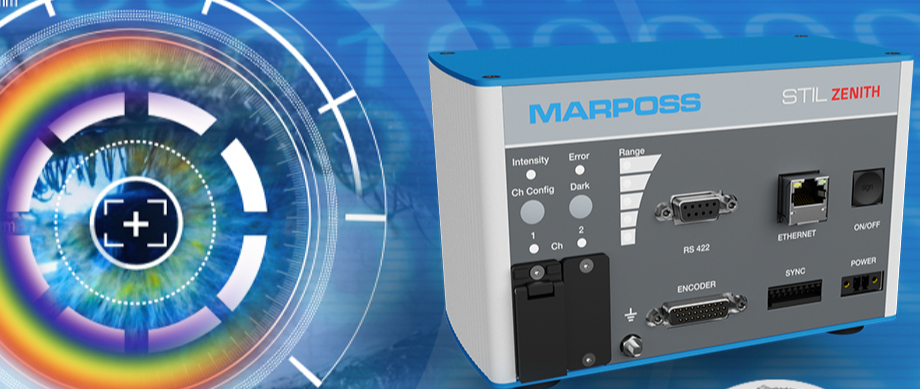
Zenith 你的光谱共焦控制器全新之选
 MARPOSS
由于产品设计的演变往往与技术、复杂的形状和外观相匹配,因此市场对精度和质量的要求越来越高。因此,测量和质量控制正朝着使用非接触式解决方案的方向发展,以实现高精度标准。STIL光谱共焦是一种用于非接触式光学测量的独特技术,可满足车间环境(如实验室)中最苛刻的应用。ZENITH:性能稳固、易于安装、操作简单ZENITH是工业环境中光谱共焦控制器的全新选择。可提供不同的配置,拥有简单的 SDK 或专有的协议命令,它非常易于集成到机器中。ZENITH控制器的柔性测量,可以将被测产品造成损害的可能性降低到零。基于以太网通讯, ZENITH可以在非接触的情况下实现高精度的测量,而不会对被测产品造成任何损坏。ZENITH框架紧凑,结构稳固,专为7天24小时全天候使用而设计。ZENITH能够在各种类型的材料和物体表面进行超高分辨率的距离和厚度测量,包括反射性材料。它可为多种应用环境和各种表面反射提供解决方案:透明的或不透明的,高光或漫反射。ZENITH与EVEREST光学笔系列相结合,可以实现具有大角度柔性测量,能够测量和评估各种复杂结构的轮廓。高频率采样是 ZENITH 与编码器(最多 5 个)结合用于外部测量同步的动态应用的理想选择之一。ZENITH的控制器可兼容所有MARPOSS STIL光学笔:CL-MG、OP、ENDO和EVEREST,可实现出色的计量表现(可达纳米级精度)。ZENITH代表着多个行业的最佳解决方案:例如汽车、玻璃、电子和半导体行业,以及生物医学和电动汽车行业。
2026-01-05 15:44:57
ofall5