English

资讯列表
The Relationship Between the Focal Length and Magnification of a Convex Lens
 长春禹泰光学元件有限公司
The magnification and focal length of a convex lens are two closely related yet distinct optical parameters. The relationship between them depends on the specific observation conditions (for example, whether the lens is used for imaging or as a magnifying glass).1. Summary of the Core RelationshipMagnification is essentially the ratio of the image size to the object size. It is determined jointly by the object distance (the distance from the object to the lens) and the image distance (the distance from the image to the lens). The focal length, however, is a property of the lens itself and determines its ability to converge light rays.Therefore, the focal length is not directly equal to the magnification, but it indirectly determines the magnification under specific conditions by influencing the relationship between the object distance and the image distance.2. Scenario 1: Use as a Magnifying Glass (Forming a Virtual Image, Viewed with the Eye)This is the most common and intuitive concept of “magnification.” When an object is placed within one focal length of a convex lens, it forms an upright, magnified virtual image.Formula: The magnification factor MM of a magnifying glass is approximately:M \approx \frac{25\ \text{cm}}{f}M≈f25 cmMM: Magnification factorff: Focal length of the lens (unit: cm)25\ \text{cm}25 cm: Near point, i.e., the viewing distance at which the human eye is most comfortable and sees most clearly.Relationship: The shorter the focal length, the greater the magnification.For example: A convex lens with a focal length of f = 10\ \text{cm}f=10 cm has a magnification of approximately 25 / 10 = 2.525/10=2.5 times.A convex lens with a focal length of f = 5\ \text{cm}f=5 cm has a magnification of approximately 25 / 5 = 525/5=5 times.This is because a lens with a shorter focal length has a greater refractive power, causing light rays to diverge at a wider angle as they enter the eye. This results in a larger image of the object on the retina, making it appear more magnified.3. Case 2: Used for projection imaging (producing a real image, such as in projectors and cameras)When an object is located beyond one focal length of a convex lens, an inverted, magnified, or reduced real image is formed. The magnification in this case is called the lateral magnification.Formula:M =\frac{h_i}{h_o} = -\frac{v}{u}M=hohi=−uvM: Lateral magnification (an absolute value greater than 1 indicates magnification; less than 1 indicates reduction)h_i: Image heighth_o: Object heightvv: Image distanceuu: Object distance (usually taken as a positive value)The negative sign indicates that the image is inverted.Lens Image Formation Formula (Gauss’s Formula):\frac{1}{f} = \frac{1}{u} + \frac{1}{v}f1=u1+v14. Analysis of Relationships:When the object is located between one and two focal lengths (f < u < 2ff<u<2f): an inverted, magnified real image is formed (|M| > 1∣M∣>1), and the image distance is greater than the object distance (v > uv>u). When the focal length ff is fixed, the closer the object distance u is to the focal length f, the greater the magnification MM.When the object is located at twice the focal length (u = 2fu=2f): the image is the same size as the object (|M| = 1∣M∣=1).When the object is located beyond twice the focal length (u > 2fu>2f): an inverted, reduced real image is formed (|M| < 1∣M∣<1), which is the basic principle of a camera lens.It can be seen that in this imaging mode, the magnification ratio depends not only on the focal length ff but also strongly on the position of the object (object distance u).Comparison Table of Key FindingsEasy to RememberIf you want a simple magnifying glass: choose a convex lens with a short focal length.If you want to use a lens to produce a clear, magnified image on a screen: you need to finely adjust the distance between the object and the lens; the magnification effect is most pronounced when this distance is slightly greater than the focal length. The focal length serves as the reference point for adjustment.In summary, for the specific application of a “magnifying glass,” the magnification of a convex lens is inversely proportional to its focal length; in the more general process of image formation, the magnification is determined by both the focal length and the object distance.
2026-03-17 10:46:21

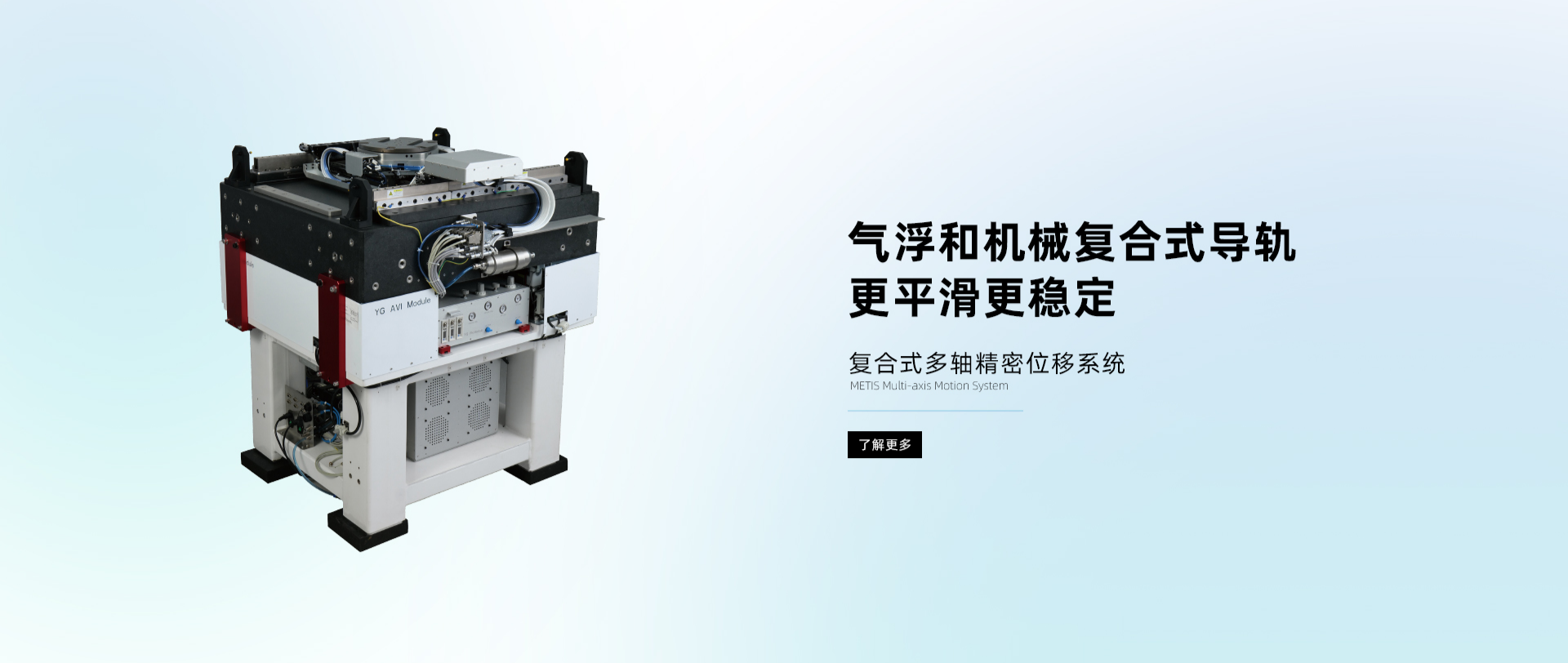
入选国内头部半导体装备商供应链国家级“专精特新”重点小巨人隐冠半导体将参展2026慕尼黑上海光博会
 上海隐冠半导体技术股份有限公司
2026-03-10 14:15:13
RMSi和 RMSa对比
长春禹泰光学元件有限公司一、核心概括:RMSi: 描述表面微观起伏的不规则度,主要指“粗糙度”。RMSa: 描述表面宏观形状与理想形状的偏差,主要指“面形误差”。它们虽然都是“均方根”值,用于量化表面的“不完美”,但关注的空间频率(波长)范围完全不同。下图清晰展示了二者的区别与测量方法:二、下面进行详细解释:RMSi (Root Mean Square irregularity) - 不规则度/粗糙度1、定义:在移除了表面宏观形状(球面、非球面、平面等)和中等空间误差之后,剩余的高频、小尺度随机起伏的均方根值。2、关注范围:高空间频率成分。通常对应于加工过程中留下的工具痕迹、抛光颗粒造成的麻点、材料微观不均匀性等。其特征尺寸(波长)通常远小于光学元件的口径。3、测量与计算:需要使用高分辨率的轮廓仪(如白光干涉仪、原子力显微镜)在小范围内测量。对测量数据先进行“倾斜移除”和“最佳拟合球面/平面移除”,再应用高通滤波器滤除中低频成分,最后对剩余的高频轮廓数据计算均方根值。4、主要影响:散射损耗:导致光能量从主光线方向散射出去,降低系统的对比度和信噪比,小角度散射。对成像系统的MTF(调制传递函数) 在中高频率段有显著影响。5、典型应用:激光系统、高分辨率成像系统、X射线光学元件,任何需要极低散射的应用场景。典型值:从普通抛光(~10 nm RMSi)到超光滑抛光(< 0.5 nm RMSi)不等。RMSa (Root Mean Square accuracy) - 面形精度1、定义:实际光学表面与设计的理想表面(如理想球面、理想抛物面)之间偏差的均方根值。这个偏差是整体性、系统性的。2、关注范围:低空间频率成分。描述了表面的整体形状“对不对”,比如是球面但曲率不对,或者带有像散、彗差等像差形式的误差。3、测量与计算:通常使用干涉仪(如菲索干涉仪、相移干涉仪)在整个光学口径上进行测量。将测得的波前图(或面形图)与理想参考波前(或面形)相减,得到面形误差图,然后直接计算整个区域内所有数据点的均方根值。4、主要影响:波前误差:直接导致光学系统的成像质量下降,引入像差(离焦、像散、球差等)。影响系统的斯特列尔比、PSF(点扩散函数) 和焦斑能量集中度。5、典型应用:所有成像光学系统、望远镜、光刻机镜头、激光谐振腔反射镜。典型值:从普通光学(λ/10 RMSa,约63 nm @ 632.8 nm)到极精密光学(λ/1000 RMSa,约0.6 nm @ 632.8 nm)不等。关键对比表格三、重要关系与总结1、分离但共存:一个实际光学表面的总误差包含RMSa(低频)、中频误差和RMSi(高频)等多个频段成分。完整的表征需要分析其功率谱密度。2、不同工艺控制:RMSa 主要由成型、研磨、粗抛工艺决定,反映了制造者控制整体形状的能力。RMSi 主要由最终的精抛、抛光工艺和材料本身决定,反映了获得超光滑表面的能力。3、应用导向:对于成像系统(如相机、望远镜),RMSa通常更为关键,因为它直接影响成像清晰度。对于高功率激光系统或低散射应用(如引力波探测),RMSi极其关键,因为微粗糙度会吸收或散射激光,导致元件热畸变甚至损坏。4、单位:两者通常都用长度单位表示(如纳米nm)。但RMSa也常用波长的分数表示(如λ/20),其中λ通常指632.8nm(He-Ne激光)。简而言之:RMSa告诉你镜子的“形状”对不对,RMSi告诉你镜子的“表面”光不光滑。两者共同决定了一个光学元件的最终性能。
2026-03-09 13:27:39
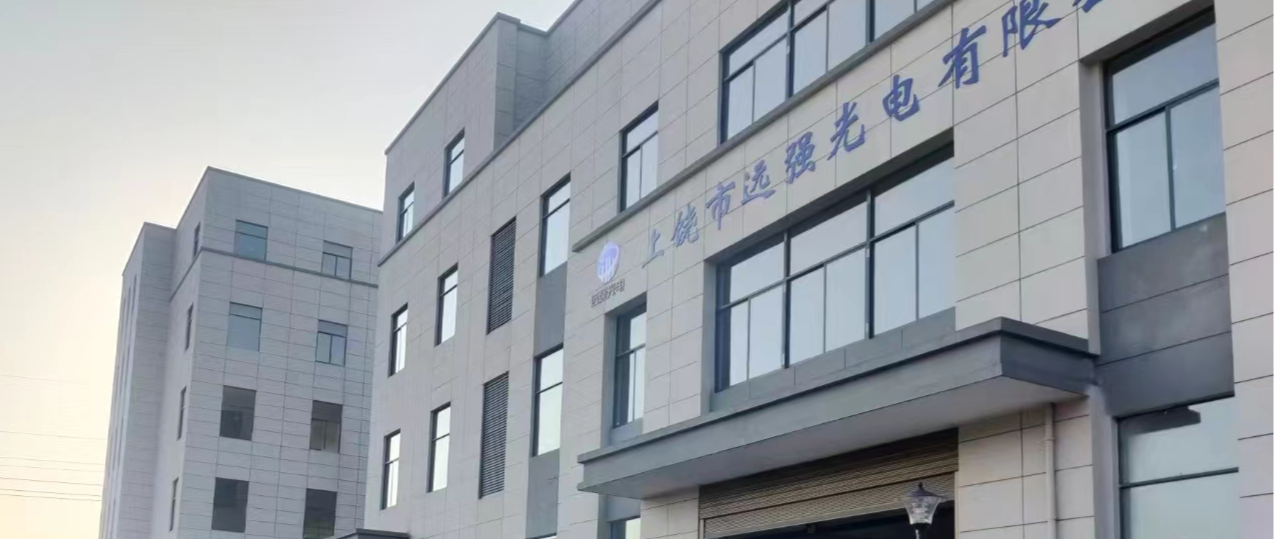
光学监控镜头铝合金配件CNC定制生产加工
 上饶市远强光电有限公司
光学镜头、显微镜、望远镜、光电金属配件生产与销售。车载、医疗、航空航天、光伏、半导体等自动化非标零配件生产加工。
2026-03-09 12:55:49
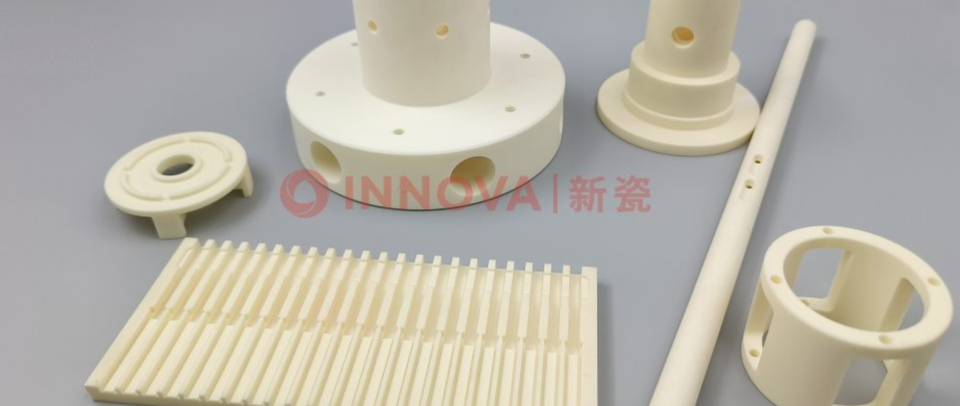
新瓷|陶瓷结构件硬核赋能,助力新能源产业高质量发展
 厦门新瓷材料科技有限公司
随着 “双碳” 目标持续推进,风电、核能、燃料电池等新能源产业成为全球能源转型的核心力量。风电向大功率、深远海升级,要扛住盐雾风沙与交变载荷的考验;核能追求安全与长周期运行,对部件耐辐射、耐高温高压的要求近乎苛刻;燃料电池(尤其是固体氧化物燃料电池 SOFC)凭借高效清洁优势崛起,核心部件需在600-800℃高温下稳定工作。这些场景对材料性能的要求远超传统材质,而精密陶瓷凭借耐高温、耐腐蚀、高强度、低损耗的独特优势,成为破解技术瓶颈的关键。 01 光伏领域 光伏产业正朝着高效化、规模化快速发展,硅片越做越薄(厚度已经降到 120μm 以下),电池片组装精度要求也越来越高,这就对硅片抓取、传输、加工等环节的设备部件提出了极高要求——耐磨、无污染、尺寸精度足够高。陶瓷部件的优势可以破解行业痛点:采用高纯度氧化铝(99.9%)与纳米氧化锆为基材,不含金属杂质,能避免硅片加工时产生金属污染,保障电池转换效率;氧化锆陶瓷表面光洁度能达到 Ra0.02μm,加上低摩擦系数的特性,能有效防止薄片硅片抓取时出现划伤、碎裂,让不良率降低 30% 以上;通过一体成型 + CNC 精密加工工艺,满足电池片组装的高精度定位需求;陶瓷材料本身耐磨损、耐腐蚀,可承受硅片加工过程中化学试剂与机械摩擦的双重损耗,使用寿命是传统金属部件的 5 倍以上;同时,热膨胀系数低至 7.9×10⁻⁶/℃,在光伏设备高温烘烤、常温运行的交替工况下尺寸稳定,能确保设备长期运行精度。02 锂电领域 锂电作为新能源汽车、储能系统的核心能源载体,正朝着高能量密度、快充电速度、长循环寿命方向发展,电池包内部的绝缘防护、热管理、耐腐蚀等问题成为产业升级的关键痛点。核心优势精准匹配需求:氮化铝陶瓷导热率≥170W/(m・K),是传统绝缘材料的数倍,能快速导出电池充放电过程中产生的热量,避免热聚集引发安全隐患,同时绝缘性能优异(体积电阻率>10¹⁴Ω・cm),有效阻断电池内部短路风险;高纯氧化铝陶瓷耐电解液腐蚀能力突出,在锂电电解液环境中失重率低于 0.01mg/cm²・day,能长期保护极耳、电池壳体等关键部件不被侵蚀;氧化锆陶瓷兼具高韧性(断裂韧性 6-7MPa・m¹/²)与高硬度(HV1250),制成的密封件耐磨性能远超金属,适配储能电池长期充放电的高频次动作需求;产品热膨胀系数低(4.4×10⁻⁶/℃左右),在 -40℃至 120℃的宽温域内尺寸稳定,能应对电池工作时的温度波动,保障电池包结构完整性。03 风电领域 风电设备常年暴露在户外,主轴轴承、叶片根部、机舱部件既要承受高频交变载荷,又要抵御风沙磨损和极端环境温湿度变化。 高性能陶瓷突出优势十分明显:氮化硅陶瓷轴承球的维氏硬度超 1400HV,断裂韧性达到 5-7MPa・m¹/²,耐磨性能比金属轴承提升数倍,能够适配主轴高速运转需求;ZTA 材料兼顾氧化铝的高强度与氧化锆的高韧性,能抵御 - 40℃至 80℃的温差,在海洋环境中也能有效抵抗盐雾腐蚀;而且陶瓷材料密度仅 3.25g/cm³ 左右,能减少风机载荷损耗,间接提升发电效率。04 核能领域 核能设备对安全性和稳定性的要求达到极致,核心系统部件必须在高温、高压、强辐射环境下长期稳定运行。 关键特性直击需求:采用 99.9% 高纯氧化铝基材,抗辐射性能优异,长期处于辐射环境中也不易出现材料老化,且化学稳定性强,能耐受反应堆冷却剂等腐蚀性介质;碳化硅陶瓷的使用温度可达 1600℃,热膨胀系数仅 3.7×10⁻⁶/℃,温度变化时尺寸几乎不变,能在高温高压工况下保持结构稳定。05 燃料电池 固体氧化物燃料电池(SOFC)作为高效能源技术,工作温度高达 600-800℃,核心部件不仅要耐高温,还需具备低界面阻抗和长寿命特性。核心优势贴合场景:定制化材料配方与 SOFC 电极、电解质体系匹配度极高,能有效降低界面阻抗,助力提升电池发电效率;耐高温性能出色,在 800℃高温下长期工作几乎无性能衰减,热震稳定性达 ΔT≥350℃,完全适配设备频繁启停的工况;采用等静压成型工艺,晶粒细小均匀(0.2-0.8μm),致密度高且吸水率为 0,能确保电池长期运行的密封性与可靠性。
2026-03-05 17:07:49
Edmund Optics® 现货供应业界最全超快光学元件系列,实现极速交付与精准匹配
 爱特蒙特光学
6/23/2025, Barrington, NJ USA —全球光学元件领导者Edmund Optics®正式宣布升级其超快光学元件供应体系,通过整合行业最全面的现货库存与专业技术支持网络,为飞秒/皮秒激光应用提供全链路解决方案。目前该产品线已覆盖工业制造、科研实验等多元化应用场景。产品线全面覆盖超快激光光学解决方案,包含两大核心技术方案:1)高性能离子束溅射(IBS)镀膜反射镜系列(含独家代理的 UltraFast Innovations品牌产品);2)高性价比蒸发镀膜方案。凭借常备库存的反射镜、透镜、窗口片、光栅、滤光片等全品类库存,实现从光学设计到系统集成的全链路供应保障,助力工程师快速完成超快光学系统搭建。该产品组合兼顾不同的成本预算与性能需求,更依托强大库存体系保障极速交付与高效采购。无论何种应用场景,Edmund Optics® 均可为工程师精准匹配超快光学系统元件——通过7×24小时在线专家沟通渠道,随时提供技术咨询服务。关于爱特蒙特光(Edmund Optics®)爱特蒙特光学(Edmund Optics)拥有超过80年的行业经验,是一家值得信赖的高品质光学元件及解决方案供应商,服务于生命科学、生物医学、工业检测、半导体及研发等多个领域。公司在全球19个地区拥有1,300余名员工,业务规模持续扩大。作为光学与光子学领域的领军企业,爱特蒙特光学(Edmund Optics)提供两大核心解决方案:一是打造拥有超过34,000款标准产品的强大现货平台业务,二是专注于精密光学元件与成像组件定制化开发及批量生产的先进制造服务。爱特蒙特光学(Edmund Optics) 平台业务事业部的在线商城构建了一站式光学采购生态,汇聚了自主生产体系及40余家业内顶尖品牌的34,000+现货产品,实现了全光路解决方案的即时供应与便捷采购。针对特殊需求,先进制造事业部可提供从定制化设计到样品生产,再到可扩展量产的完整服务链,依托四大全球研发中心与九大专业工厂的先进制造网络,年产能突破200万光学元件及175,000+精密组件,赋能尖端光学系统的快速落地。更多信息,请访问官网 www.edmundoptics.cn
2026-03-04 17:16:32
爱特蒙特光学扩展高性能HP系列产品线,新增现货6.5mm定焦镜头 现货6.5mm镜头为需要更短工作距离的工厂自动化和机器视觉系统提供高分辨率性能
爱特蒙特光学2026年1月9日,美国新泽西州巴林顿 — 爱特蒙特光学®(Edmund Optics®),全球领先的光学与成像技术解决方案提供商,现已扩展其TECHSPEC® HP系列定焦镜头产品线,推出新款6.5mm焦距镜头,将高分辨率成像性能延伸至需要更短工作距离和更宽视角的应用领域。HP系列专为工厂自动化和机器视觉系统设计,在这些系统中,分辨精细细节对于检测精度和可靠测量至关重要。这款新的6.5mm镜头保留了HP系列的核心性能特点,提供卓越的分辨率,以支持苛刻的检测任务,如微小缺陷检测和高精度尺寸分析。该镜头针对高达1.1英寸的传感器进行了优化,能够在更大的视场范围内实现细节成像,帮助系统设计人员在紧凑或空间受限的装置中达成性能目标。HP系列由公司内部设计和制造,提供跨多种焦距的一贯高光学性能解决方案,使工程师能够在系统几何结构变化时保持成像性能。6.5mm焦距的加入扩展了这种灵活性,为机器视觉系统设计人员在需要更短工作距离或更大视场的系统中提供了更多选择。凭借现货供应和快速交付,新款6.5mm HP系列镜头支持快速集成到可投入生产的工厂自动化系统中。关于爱特蒙特光学:爱特蒙特光学拥有超过80年的经验,是高品质光学元件和解决方案值得信赖的供应商,服务于生命科学、生物医学、工业检测、半导体及研发等行业。公司在全球19个地点拥有1,300多名员工,并且持续增长。作为领先的光学和光子学公司,爱特蒙特光学提供两种专业解决方案:一个拥有超过34,000种现货产品的强大市场平台,以及专注于精密光学和成像元件定制与批量生产的先进制造服务。爱特蒙特光学的市场平台是一个一站式商店,提供来自内部制造和40多个顶级品牌的超过34,000种现货产品,覆盖整个光路,支持快速便捷的采购。对于定制化解决方案,先进制造服务提供定制设计、首件生产以及可扩展的制造服务,由四个全球设计中心和九个专业工厂提供支持,每年生产超过200万个元件和175,000多个组件。了解更多信息,请访问 www.edmundoptics.com。
2026-03-04 16:42:40

Guide to Polarized Light Principles: Definitions, Applications, and Why Distinguishing P-Polarized a
长春禹泰光学元件有限公司I. P-polarized light and S-polarized light are two types of linearly polarized light defined based on the orientation of light polarization relative to the plane of incidence (the plane formed by the incident light ray and the normal to the interface).1. Key Reference: The Plane of IncidenceFirst, imagine a beam of light striking the interface between two media at an angle (e.g., from air into glass).The incident ray and the normal line to the interface (perpendicular to the interface) form a plane called the “plane of incidence.”2. Definition of P-polarized and S-polarized LightP-polarized light: Full name Parallel-polarized light.Polarization direction: Its electric vector is parallel to the incident plane.Mnemonic: P = Parallel.S-polarized light: Full name Senkrecht-polarized light (perpendicular polarization). “Senkrecht” is German for “perpendicular.”Polarization direction: Its electric vector is perpendicular to the incident plane.Mnemonic: S = Senkrecht / Perpendicular.Visual Understanding: Extend your right hand. Your thumb represents the direction of light propagation, while the other four fingers represent the vibration direction of the electric vector. If the vibration oscillates “up and down” within the plane defined by your thumb and the normal line, it is P-polarized light. If it oscillates “side to side” (perpendicular to this plane), it is S-polarized light.II. Why Distinguish Between P-Polarized and S-Polarized Light?Because they behave very differently when interacting with a medium interface. This difference is primarily reflected in their reflectance and transmittance.1. Differences in Reflectance - Fresnel FormulasThe Fresnel formulas describing reflection and refraction at an interface are given separately for P-polarized and S-polarized light.Generally, under non-normal incidence, the reflectivity of S-polarized light is always higher than that of P-polarized light.This implies that when non-polarized light (containing all polarization directions) strikes at an angle, the reflected light contains a greater proportion of S-polarized light. Consequently, the reflected light becomes partially polarized (predominantly S-polarized).2. Brewster's Angle - A Critical PhenomenonThis is a unique property of P-polarized light.There exists a specific angle of incidence known as Brewster's angle.When light strikes at Brewster's angle, the reflectivity of P-polarized light becomes zero! All P-polarized light energy is refracted into the second medium.The reflected light at this point is 100% S-polarized.Application: This is one of the simplest methods to generate fully linearly polarized light (e.g., camera polarizing filters utilize this principle to eliminate glare reflections from glass or water surfaces).3. Phase Shift DifferencesDuring reflection, P-polarized and S-polarized light may undergo different phase shifts (e.g., from 0 to π), particularly during total internal reflection. This is crucial for designing optical films and waveguides.III. Key Application AreasPolarization Devices1. Polarization-Splitting Prism:By exploiting the difference in reflectivity between P-polarized and S-polarized light on a dielectric film, this device completely separates P-polarized and S-polarized light within a beam, outputting them in two distinct directions.2. Brewster Window:Used in laser cavities, a window positioned at the Brewster angle exhibits negligible loss for P-polarized light, enabling highly polarized P-polarized laser output.3. Thin-Film Optics and Anti-Reflection/Enhancement Coatings:When designing anti-reflection coatings for optical lenses, both P-polarized and S-polarized light must be considered simultaneously to optimize performance at the design angle.Mirrors (e.g., those within laser cavities) must also exhibit high reflectivity for both P-polarized and S-polarized light.4. Ellipsometry:By measuring changes in the amplitude ratio and phase difference between P-polarized and S-polarized light after reflection from a sample surface, this technique enables extremely precise determination of thin-film thickness and optical constants.Summary Comparison TableIn summary, the distinction between P-polarized and S-polarized light provides the fundamental framework for analyzing light-interface interactions (reflection, refraction, interference). Whenever an optical system involves oblique incidence, the independent behavior of these two polarization states must be considered.
2026-03-04 13:43:16

上海光博会展位面积增加到36平背后的展会经济学,多年参展的逻辑与经验分享,打广告可降低销售成本
 深圳维尔克斯光电有限公司
 作为一个勤俭节约的消费者,我之前一直特别排斥和反感花钱打广告,也觉得太花钱的花架子活动没必要,因为羊毛出在羊身上,最终所有的花费还是要客户来买单,比如展会。不过在连续多年参展,从小展位到大展位,标展到特装后,我改变了一些想法。实际上我们在不断提高展会预算,例如即将来到的慕尼黑上海光博会就要投入十几万。核心逻辑是我们销售额的增幅高于参展费用增幅,参展的花费虽然逐年增加,但在公司成本的占比中并没有增加,也绝对没有因为参展费用而提高报价或增加利润率,销售额的增长甚至可以让我们以更低的利润率给客户报价、更加合理的备货以缩短交期。花钱参加展会和打广告反而能降低我们的销售成本,这完全打破了我之前的认知。同时参加展会并非是简单的开销,而是一项能产生规模报酬递增的市场投资——展位与投入的系统性升级,能带来客户数量与合作质量的非线性增长。 算下来,我们公司在光电行业的展会这条路上,已经走了近十年。展位面积从9平到18平再到36平,展位结构从标准展位到光地桁架再到木结构特装,参展形式也尝试过单独参展和联合参展,参展数量也在不断增加,我们对参展这件事的理解,参展经验也在一步步加深。今天和大家分享我们对展会从“实体广告”到“引流引擎”的认知转变,还有我们在参展过程中积累的一些参展经验教训。 早期,我们视展会为“看得见摸得着的实体广告”——主要功能是向老客户证明公司的真实存在和持续运营。那时展位小、投入少,回报也停留在品牌曝光的浅层。但随着我们加大投入——扩大面积、改变展台设计——事情开始发生变化。当我们在2026年慕尼黑上海光博会投入十几万展会预算时,我们清楚的知道这不再是单纯的“参展费”,而是一项有明确预期的市场投资。 这背后有一个名为“规模报酬递增”的逻辑:有效的市场投入,往往能产生非线性的回报。 以前不太理解,现在自己实践了才深有体会。比如,我们把展位投入从几万增加到十几万(翻了一倍甚至更多),但因此吸引到的优质客户数量、达成的合作金额,其增长却可能远超过投入的增幅——可能翻两倍,甚至更多。这是因为,更大的投入带来了更强的品牌曝光、更专业的形象和更集中的客户注意力,从而显著提升了转化效率和客户质量。 具体来说,我们投入的十几万,主要买回了几样东西: 高效的客户拜访,很多老客户会来我们展位参观、聊天,直接看到我们主推的新产品。面对面和客户、原厂交流的机会特别重要而且难得。原来展会花费在5万以内的时候,我觉得光是高效拜访客户这一项就把展会费用值回来了。 高效的行业曝光:在三天时间里,我们能够面对面接触大量精准的行业客户。这种效率和浓度,是日常销售或宣传难以实现的。将资金投入在展会,能撬动了原本需要长时间、高成本才能接触的市场资源,这也是最直观反映规模报酬递增的一点。 高质量的潜在客户:一个专业的展台本身就是筛选器,能自然吸引真正有需求的客户,可以为我们节省了大量前期筛选的时间和成本。这些高质量线索的转化率更高,价值也更大。 直观的品牌实力展示:在行业重要的平台上,一个专业、用心的展位,本身就是公司实力和专注度的最直接证明,能快速建立客户的初始信任。这种信任能直接降低后续的沟通成本和合作门槛。 展会同时也是进行高效率、低成本行业竞争分析的机会。通过实地走访同行与竞争对手展位,观察其主推产品、新技术方向、定价策略、宣传话术以及展台设计与客流情况。这些信息的获取速度远超日常网络调研,能帮助我们快速把握市场趋势、验证自身策略,并及时调整竞争思路。这些信息本身就是参展投资回报中极具价值的一部分。 当然,要让投入的展会预算真正产生回报,不仅需要投入的决心,更需要系统性的展会准备和执行。连续多年参加相同的展会,我们也积攒了不少经验和教训。 选展位是第一步,也是关键的一步。一个好位置(比如主干道旁、入口处)的人流抵得上三个偏僻角落。位置的好坏,直接决定了我们需要多大面积来承接人流,也直接影响着我们的展会预算投入产出比。 根据我们的经验,一个完整的展会准备周期,要两个月甚至更久。这期间需要确认参展样品、确定搭建供应商、沟通设计方案、制作宣传物料、培训参展人员等。每一个细节都要反复推敲,比如背景墙是突出产品还是突出品牌,样品的演示流程等都需要提前确认。 展会前一个月就要开始预热,在公司官网、公众号等发布参展信息与亮点剧透;业务人员的邮件签名更新展位信息;主动约见现有客户与目标客户在展台见面。通过这些展会准备能有效提升我们在展会期间的客户到访率和洽谈质量。 参展人员就是公司的门面。他们的产品知识、沟通话术、客户接待流程都需要提前培训和演练。确保每位同事都能清晰介绍产品优势,准确识别客户需求,并做好客户分类记录。 在展会现场接待客户的同时,公司留守人员也不会闲着,根据前方收集到客户信息,他们会及时整理名片、分配跟进任务,确保每个有价值的线索都能在最佳时间内得到响应,将展会热度转化为实际订单。 参展是件高强度的工作,后勤保障会直接影响团队状态。选择安静、交通便利的酒店很重要。我们偏好地铁站旁的酒店,虽然早上地铁较拥挤,但能确保准时到达展馆,避免堵车风险。有参展经历的可能都知道,展馆内提供的餐饮真的是一言难尽。因此我们会尽量自己点外卖送到展馆旁边,这种方案品质和口味都会比展馆内用餐好太多。参展前务必要提前摸清场馆周边的交通环境和餐饮住宿条件。 现在看,参展对我们来说,已经从一项市场活动变成了公司发展的投资。它遵循一个简单的商业道理:在关键节点上敢于进行必要的、高质量的投入,往往能带来超越投入本身的超额回报。 这笔账,我们算的是综合的、长期的回报。未来,我们还会继续在这条路上走下去,也期待在更多的展会现场,与各位同行、客户朋友们交流产品知识和参展经验。如果有具体问题,也欢迎随时和我们探讨。
2026-03-03 11:21:35
维尔克斯光电参加2026年慕尼黑上海光博会,展位号N2.2711,部分展品信息
深圳维尔克斯光电有限公司 维尔克斯光电将于2026年3月18-20日参展2026慕尼黑上海光博会(Laser World of Photonics China),地点:上海新国际博览中心,展馆:N2,展位号:N2.2711,展位面积:36㎡。欢迎新老客户届时光临,莅临指导! 观众注册通道 点此或者扫描下方二维码注册,避免现场排队拥堵。 维尔克斯光电位置示意及路线图 乘坐地铁7号线到终点站花木路,1号出口就是入口厅,入场后一直主通道直行到N2馆的六号门,左侧就是我们的展台。和去年在同一个位置。N2馆布局 慕尼黑上海光博会自2006年举办以来,已成为亚洲激光、光学、光电行业一年一度的行业盛会。本届展会致力于助力构建产业新发展格局,精细化布局七大展区,集中展示激光智能制造、激光器与光电子、集成光电与光通信、光学、光学制造、检测与质量控制及红外技术与应用产品,特设生物医学光子学专区2.0, 近1500家国内外参展商,展品种类更精细,覆盖光电技术上下游产业。 此次参展我们的部分展品信息如下: DUMA自准直仪,应用:用于精密测量直线度、平行度、垂直度等几何参数。用于角秒(1sec)级的设备或镜组的直线度、平行度、垂直度等几何参数精密测量 Dataray光斑分析仪,配备功软件(免费)。适合用激光剖面测量,可配合使用 M2DU 平台进行激光器的M2 测量。 国产自研匀光微透镜阵列。低成本匀光,整形方案 Holoor激光分束器,激光匀化器,光束整形器。高质量整形,分束,光束均匀度90%以上 结构光DOE,调控光波衍射特性实现光束整形、分束 激光防护眼镜,防护等级OD10+,防护波段180-10600nm Arcoptix傅里叶红外光谱仪,具备更宽的测量范围,在波长以及强度标度上均具备出色的稳定性。其分辨率比较高、波长范围宽、灵敏度较高的技术优势下仍然拥有性价比较高的特点; LEJ显微镜光源系统,一套- luxyr LED Nano、- luxyr LED Fluo、- luxyr LED Magna、- LED pulse controller OptoSigma西格玛光机显微镜系统以及自动平台系统
2026-03-03 11:17:51

新机型P3首次公开,敬请期待!
 Finetech GmbH & Co.KG
一个平台,支持多种键合技术。12英寸晶圆和在线生产能力。
2026-03-02 10:38:27

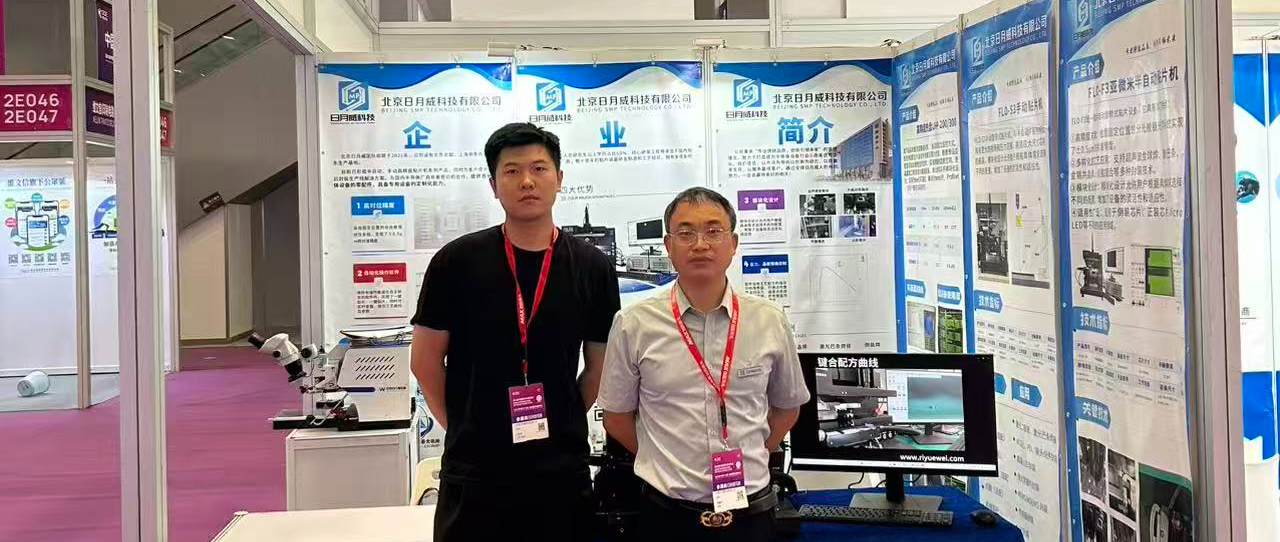
贴片机我们就选日月威
 北京日月威科技有限公司
 北京日月威团队组建于2018年,2024年落户北工大山河湾谷创新区,是国家高新企业和北京市科技型中小企业。公司研发人员研究生以上学历占比60%,核心研发工程师来自国内知名半导体装备厂商,有十余年贴片设备研发制造和工艺经验,已申请和获得10多项发明专利和软著。目前已形成半自动、手动高精度贴片机系列产品,具备专用设备的定制化能力。 公司秉承“专业铸就品质,创新引领未来”的管理理念,致力于打造成为半导体设备行业小而美的优秀企业。我们坚信,以市场为导向以创新为动力,以质量求生存,以服务赢得客户,通过全体日月威人的共同努力,一定会赢得美好的明天!产品型号:操作类型:半自动对准精度:±0.5μm基板尺寸:150mm/6寸(可选300mm)芯片尺寸:0.1~40mm (可选100mm)Θ轴微调:±10°微调范围:2.5*2.5*10mm(分辨率0.5μm) 视场范围:0.5*0.3~5.4*4.0m㎡压力范围:0.2~30N(可选到100N) 加热温度:350℃±1℃(可选450℃)升温速率:1~100℃/s 工作范围:100mm*200mm设备尺寸:L 0.7m*W 0.6m*H 0.6m设备重量:120kg工艺:倒装热压 热-超声(选配) 超声(选配) 回流烧接(选配) 点胶(选配) 微组装 UV紫外线固化(选配) 共晶焊应用:激光二极管、激光巴条焊接 VCSEL、PD、镜头组件封装 高端LED封装 微光学器件封装 MEMS/MOEMS封装 传感器封装 3D封装 晶圆级封装(C2W) 太赫兹配置清单:键合臂 主视相机模组 侧式相机模组 气浮XYZ微调平台 压力、精度校准治具 恒温/共晶加热台 标准吸嘴 焊接高度控制模块 激光粗对准模块 选配模块:甲酸气体发生模块 惰性气体保护模块 加热/自平衡吸嘴 蓝膜取片模块(助焊剂、UV胶) 点胶、蘸胶模块 (助焊剂、UV胶) 超声波焊接模块应用案例:应用案例 FLO 系列键合机旨主要针对小批量生产以及原型制造、科研开发和大学教研等领域的需求而设计,设备及已在20余家单位应用和销售。联系电话:15011433044 李经理联系邮箱:smp_sales@163.com公司网址:www.riyuewei.com北工大山河湾谷创新区官方公众号
2026-02-28 23:35:12
多场科技联合共建 两家北京市重点实验室正式获批
 多场低温科技(北京)有限公司
近日,北京市科学技术委员会、中关村科技园区管理委员会正式公布2025年度北京市重点实验室认定名单,多场低温科技(北京)有限公司(以下简称“多场科技”)参与共建的“原子制造和真空高端设备北京市重点实验室”与“固态量子器件北京市重点实验室”成功获批,标志着企业在前沿科技领域的协同创新能力再获权威认可。原子制造和真空高端设备北京市重点实验室该实验室以中国科学院物理研究所为牵头单位,联合中科艾科米、多场科技、中科量仪、怀柔仪器等多家单位共建,锚定原子级制造与表征领域,通过攻克适用于原子制造的极端环境获得、大范围高精度纳米移动技术等关键核心技术,实现装备自主化研发,破解原子级精准制造难题,为原子级精度材料和器件的基础研究与产业应用提供自主可控的装备支撑。固态量子器件北京市重点实验室该实验室由北京大学物理学院牵头,联合北京量子信息科学研究院、多场科技共建,是中国在量子科技前沿领域部署的关键研发平台之一。实验室主要聚焦量子材料新奇量子效应及高性能器件构筑中的核心科学技术问题,围绕“量子材料设计制备-物态探测调控-器件构筑集成”全链条创新,致力于打通从基础物理研究到实际应用转化的关键技术瓶颈,推动我国在固态量子信息技术领域的源头创新与自主发展。作为北京市科技创新体系的重要组成部分,北京市重点实验室是集聚培育优秀创新人才、开展高水平科研攻关的重要科技创新基地,着力解决科技难题、促进科技成果转化、培育新经济增长点。未来,多场科技将以两大重点实验室为核心协同平台,通过跨机构、跨领域与国内顶尖科研机构紧密合作,充分发挥自身在极端环境纳米运动控制、物性测试技术等领域的核心技术优势,加速高端装备自主化、量子科技产业化进程,为国家战略需求贡献自身力量。
2026-02-27 17:39:25
光启新程 智领智造|三克激光亮相 2026 慕尼黑上海光博会
 上海三克激光科技有限公司
光启新程 智领智造|三克激光亮相 2026 慕尼黑上海光博会亚洲激光与光电行业年度盛会 ——2026 慕尼黑上海光博会(LASER World of PHOTONICS CHINA)将于2026 年 3 月 18–20 日在上海新国际博览中心隆重举办。上海三克激光科技有限公司作为高新技术企业、上海市专精特新企业,将携激光焊接、精密切割、激光清洗、微纳加工、非标自动化等全系列智能装备解决方案重磅亮相,与全球行业伙伴共探光电产业新未来。本届展会以 “光启新元・势引未来” 为主题,汇聚全球超 1400 家展商,覆盖激光智能制造、光学、检测、红外、生物光子等全产业链。三克激光立足多年技术沉淀,聚焦新能源、3C 电子、半导体、模具、轨道交通等核心领域,带来高精度、高稳定性、自动化程度领先的激光加工装备与一站式解决方案,展现 “中国智造” 在激光微加工与智能装备领域的创新实力。展会期间,三克激光将在N2 馆・2308 展位全面展示:新能源锂电池自动化激光焊接系统高速环保激光清洗设备精密激光切割与微加工系统拉丝模打孔、浮雕雕刻等特色专用设备定制化激光智能产线解决方案三克激光自 2005 年成立以来,坚持自主研发与技术创新,拥有数十项发明专利与实用新型专利,产品通过 ISO9001、ISO14001、CE 等权威认证,远销全球 20 多个国家和地区。公司以 “精准、高效、可靠、智能” 为理念,持续为客户提供稳定可靠的激光装备与工艺服务,助力产业升级与智能制造转型。诚邀全球客商、行业专家、合作伙伴莅临N2.2308展位洽谈交流、共商合作,携手以光为刃,以智赋能,共拓激光应用新边界。
2026-02-27 17:37:49

多场科技荣获国家级专精特新“小巨人”企业称号
多场低温科技(北京)有限公司近日,北京市经济和信息化局正式公示第七批专精特新“小巨人”企业名单,多场低温科技(北京)有限公司(以下简称“多场科技”)通过认定,荣获国家级专精特新“小巨人”企业称号。专精特新“小巨人”企业是“专精特新”中小企业中的佼佼者,是专注于细分市场、创新能力强、市场占有率高、掌握关键核心技术、质量效益优的排头兵企业。作为一家聚焦“纳米级自动化”与“分析&测量方案”领域的企业,多场科技产品布局覆盖纳米级运动、纳米级位置传感以及高端的分析&测量解决方案,业务质量一直保持快速提升。多场科技一直专注深耕纳米级自动化和高端仪器赛道。此次入选,不仅是对多场科技在该赛道中市场地位和技术领先性的认可,同时也是对其所在赛道在国家布局、国计民生方面关键性和重要性的确认。作为一家开始运营于2017年的年轻创业公司,多场科技将继续秉持创业初心,打磨更优质、高效的解决方案,持续为客户创造价值。同时,也将继续主动投身国内高端工业转型进程,为实现国内工业向高端化转型、核心技术自主可控贡献自身力量。
2026-02-27 17:36:50
第页/共9页